
Hachette Academic & Library – Academic Home

HACHETTE ACADEMIC
Welcome to Hachette Academic! Browse this site to discover books by academic discipline, request desk or exam copies, and discover additional resources to inform your teaching.
Newsletter Signup
By clicking ‘Sign Up,’ I acknowledge that I have read and agree to Hachette Book Group’s Privacy Policy and Terms of Use
News Picks In Course Adoption
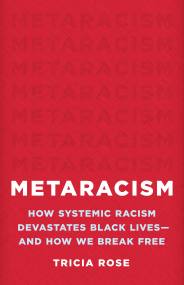
Metaracism

Ukraine

The Invisible Ache

This Is the Honey
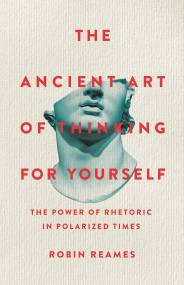
The Ancient Art of Thinking For Yourself
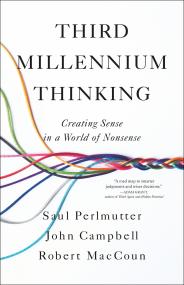
Third Millennium Thinking

We Are Home

Housewife

Up in Arms

Sito

The Age of Revolutions

Tripping on Utopia
Now In Paperback

American Sirens

Beaverland

The Invention of Power

Weathering

Dying of Whiteness

Whipping Girl

Controlling Women

It Was Vulgar and It Was Beautiful

Tell It Like It Is

The Women's House of Detention

How the Other Half Eats

Conference and Events
Titles by Discipline
- History
- Memoir & Biography
- Anti-Racism & Social Justice
- Science, Math & Technology
- Business & Economics
- Literature, Fiction & Criticism
- Education
- Political Science
- Social Science
- Psychology
- Art, Architecture & Design
First-Year and Common Reading

Dust Child

Why Does Everything Have to Be About Race?
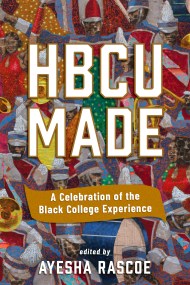
HBCU Made

Is Math Real?

First Gen

Not the End of the World